


Subject Features
Chemistry is an applied subject, and everyday life serves as a vivid and interesting chemistry textbook. The curriculum of the chemistry subject focuses on daily applications, using real-life examples to explain the underlying chemistry. For instance, how the toothpaste we use in the morning cleans our teeth and prevents cavities; how the compounds in self-heating hot pots become hot when they come into contact with water, further heating the pot; and how chemical technology plays a crucial role in supporting our technological advancement. From producing batteries to refining petroleum for plastics, and developing medications, chemistry is everywhere in our lives, making our lives better and more convenient.
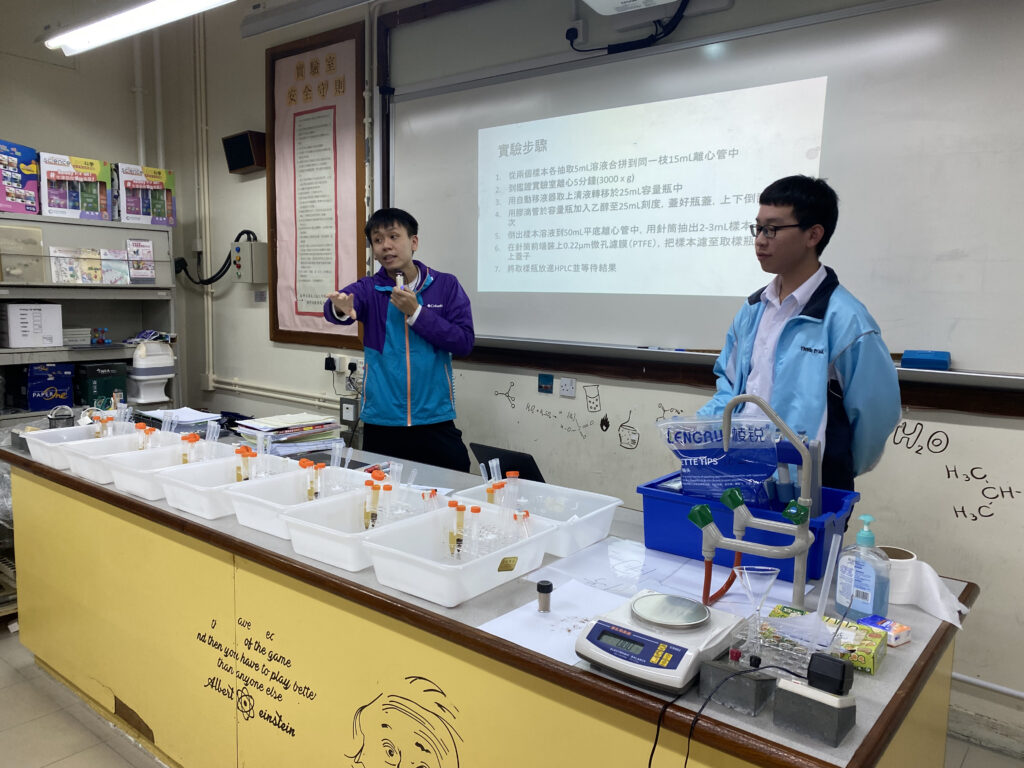
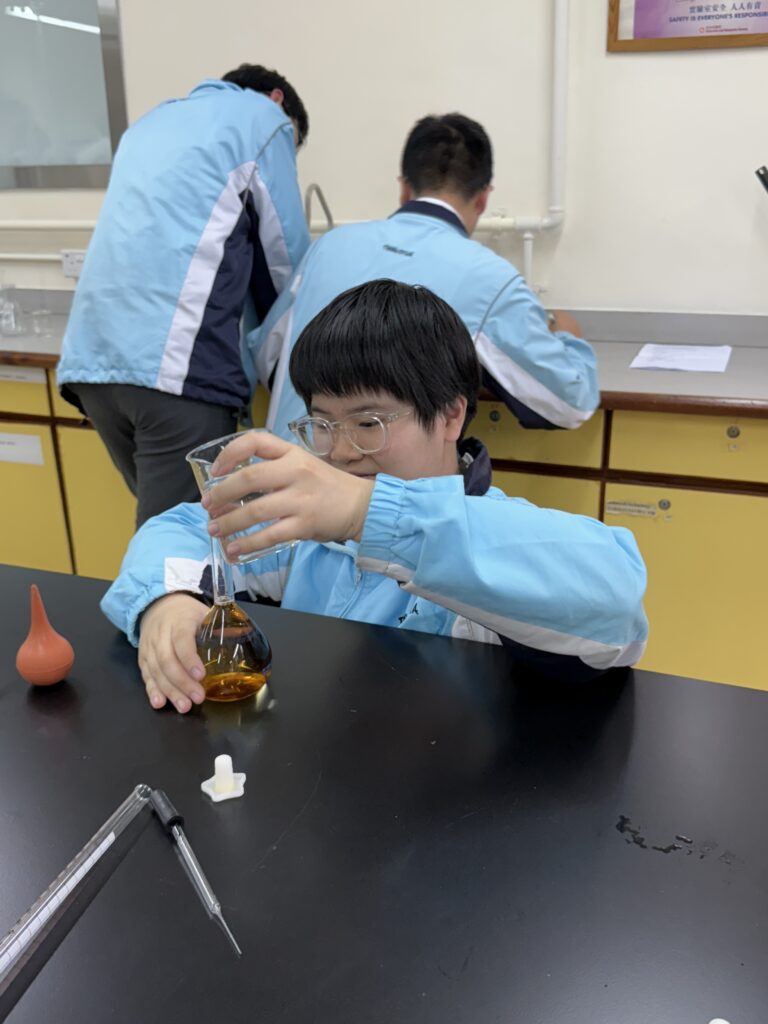
In laboratory classes, students will learn theoretical knowledge through practice. Additionally, through activities such as field trips and inter-school competitions, students can apply what they have learned. Furthermore, our school integrates the theme of forensic science into daily chemistry classes, teaching experiments such as drug analysis and ink identification using techniques like chromatography, mass spectrometry, and infrared spectroscopy as part of the diploma examination curriculum.
Highlights of the year
Forensic Science Curriculum
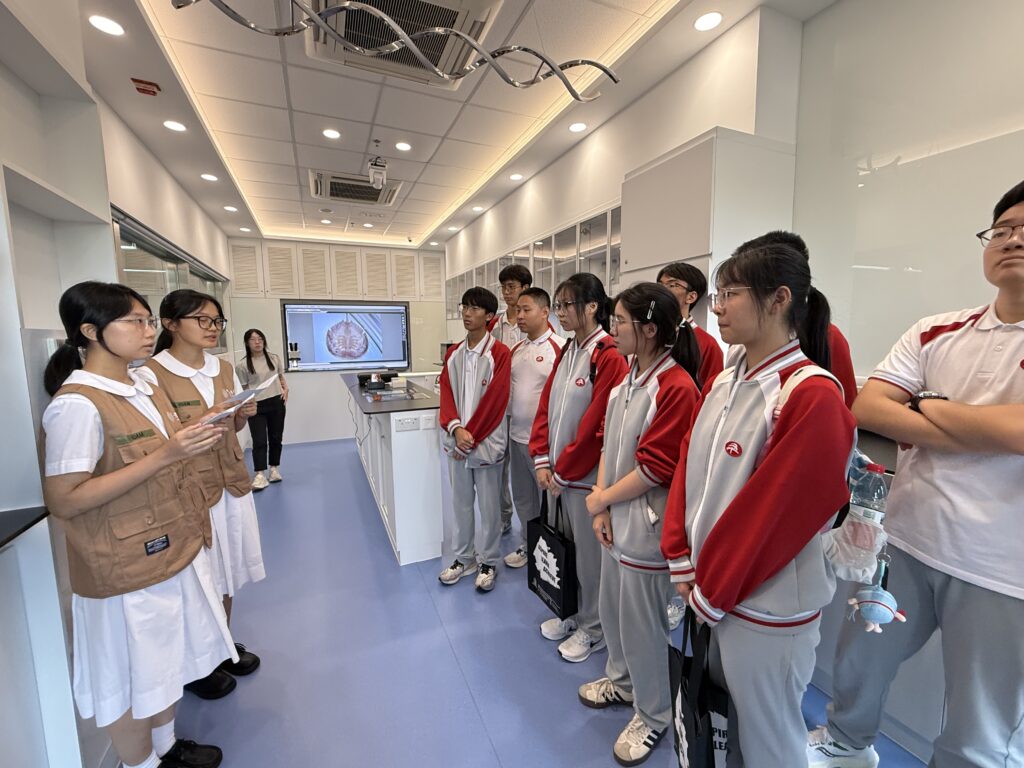
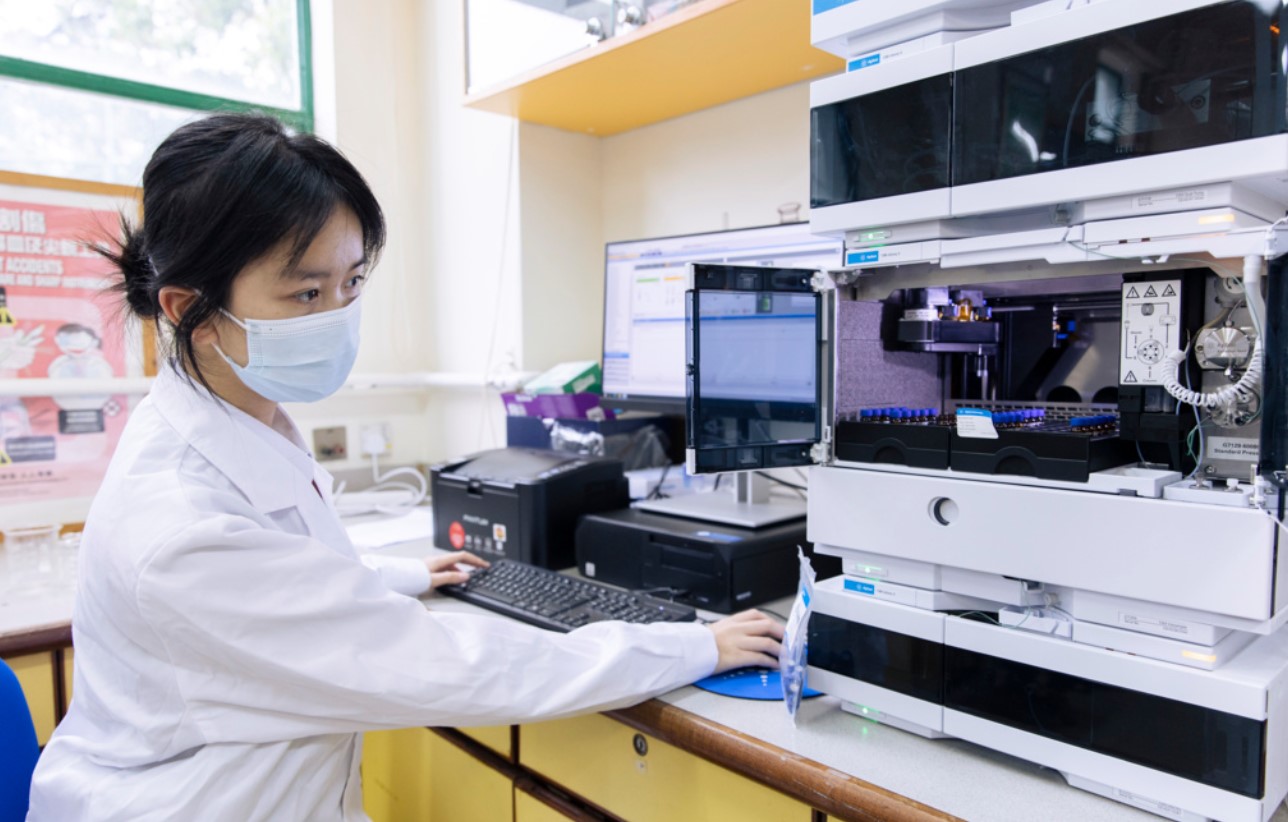
In the past, when teaching topics such as chromatography, mass spectrometry, and infrared spectroscopy in analytical chemistry, students could only learn from theoretical textbooks without the opportunity to practically use the instruments. Our school, in line with the development of forensic science, has introduced professional laboratory-grade instruments to apply relevant knowledge during lessons.
The curriculum integrates scientific knowledge into pedagogical activities through contextual learning scenarios, enhancing student motivation and effectively preparing them for diploma examinations.
Form 5: oxidation-reduction reactions, carbon compound chemistry through fiber identification contexts, incorporating topics such as redox reactions and polymer chemistry.
Form 6: analytical chemistry through forensic drug analysis frameworks, covering chromatographic techniques and infrared spectroscopy.
Forensic Laboratory Inauguration
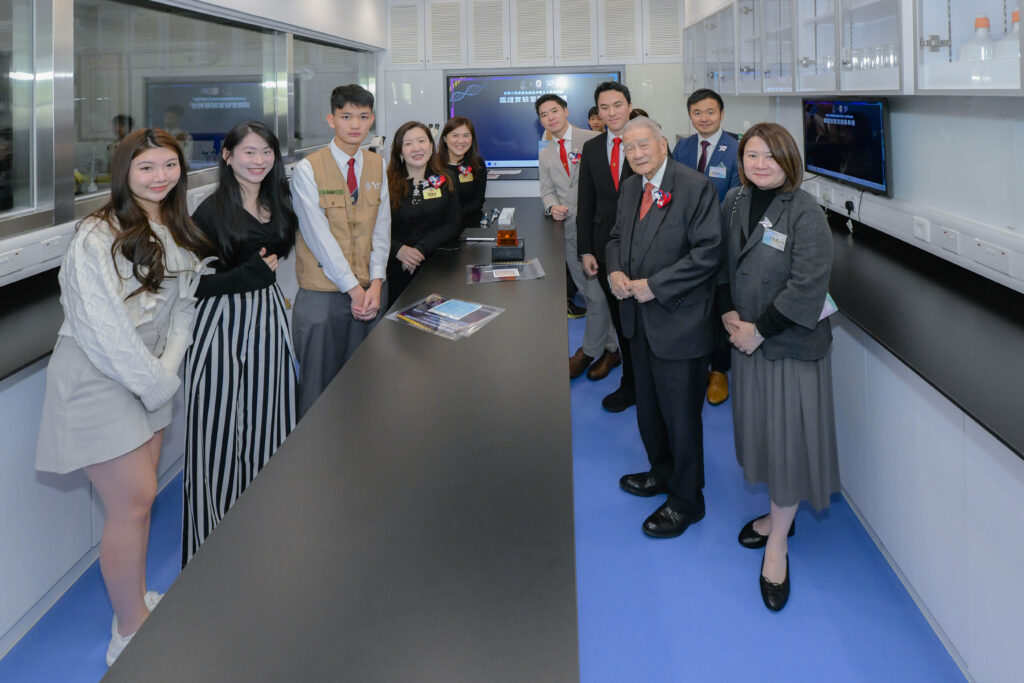
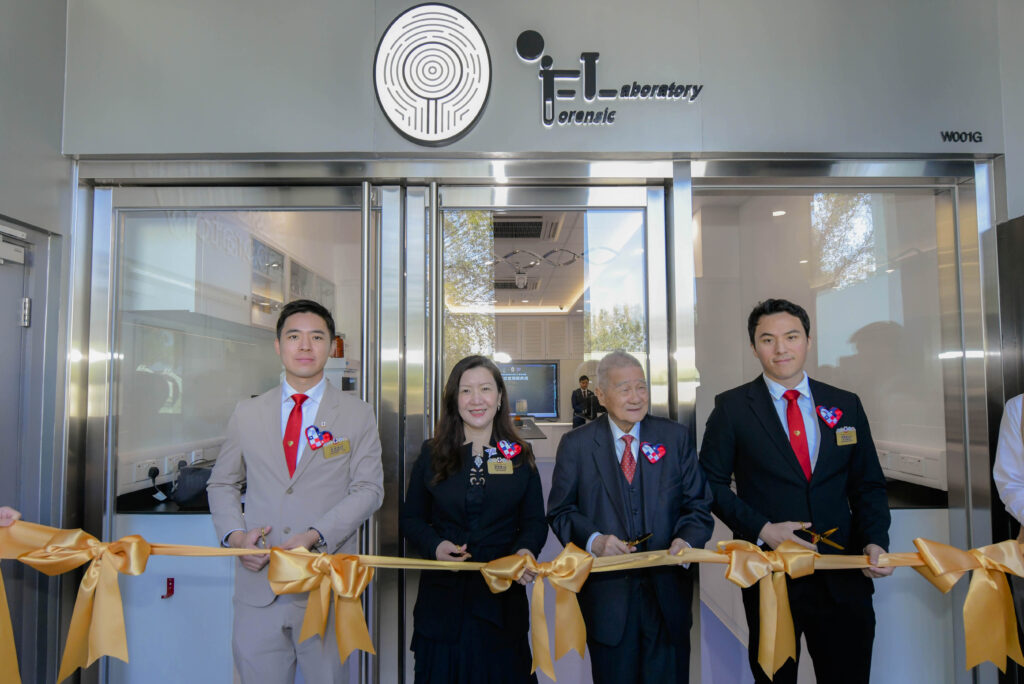
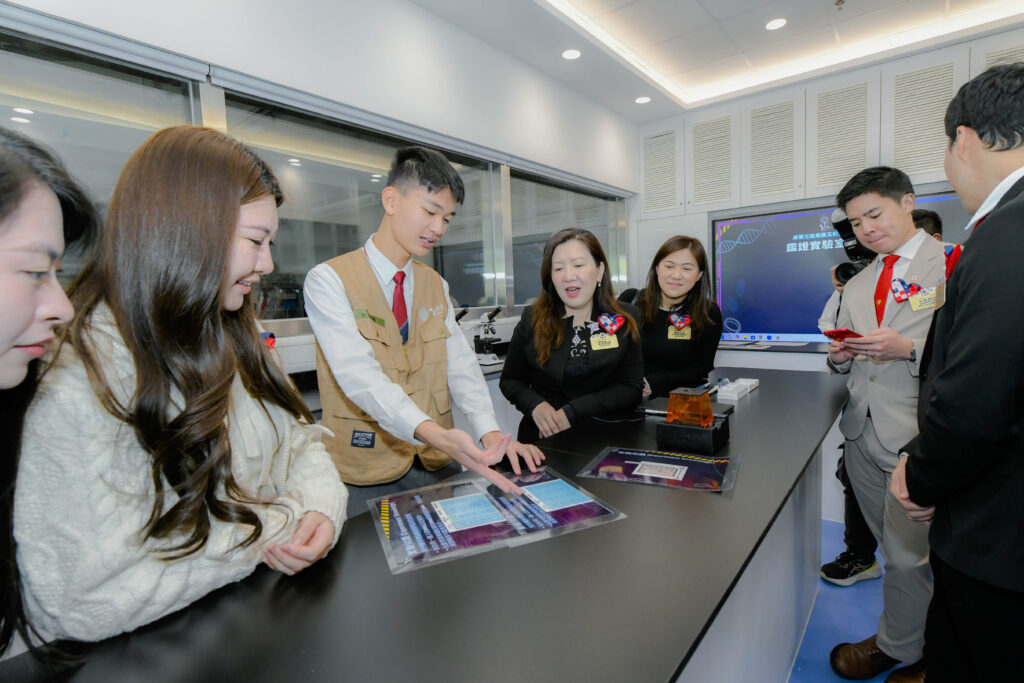
Funded by Tung Wah Group of Hospitals with an investment exceeding one million dollars, the first secondary school forensic laboratory officially opened in late 2024. The facility, inaugurated by TWGHs directors, will support forensic science curriculum implementation and related activities.
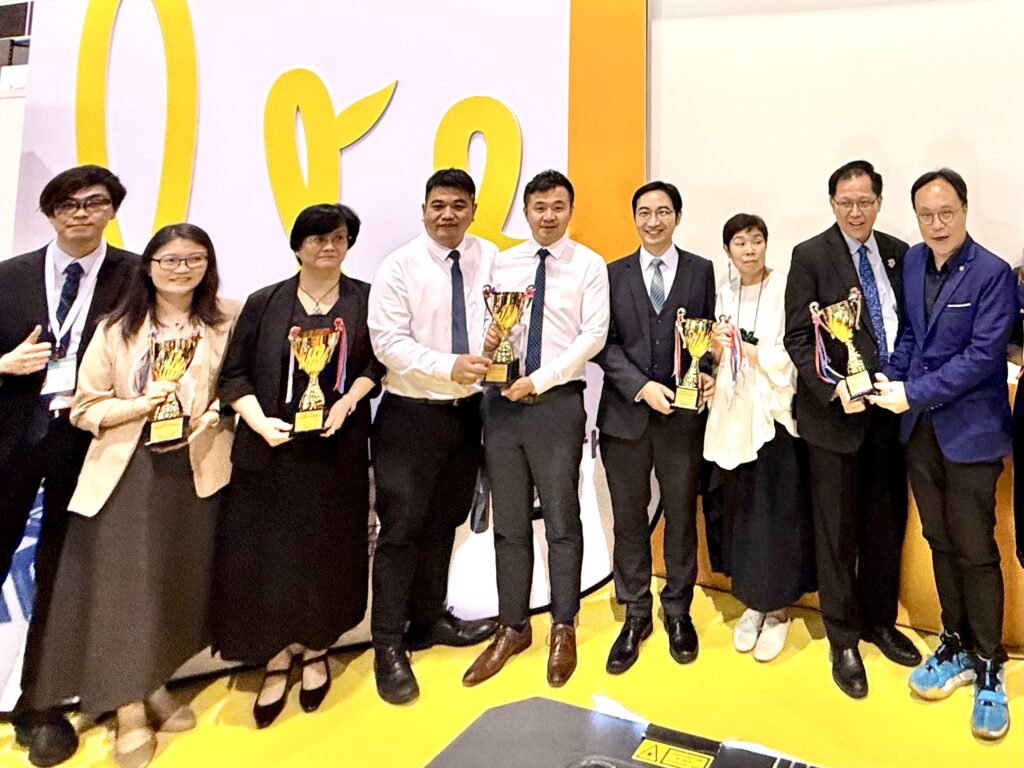
The 7th Greater Bay Area STEAM Excellence Award 2025 – Top 10 STEAM Schools
Our forensic science program earned recognition among the Top 10 STEAM Schools, establishing a paradigm for institutions seeking to develop forensic science education.
Daily Laboratory Classes
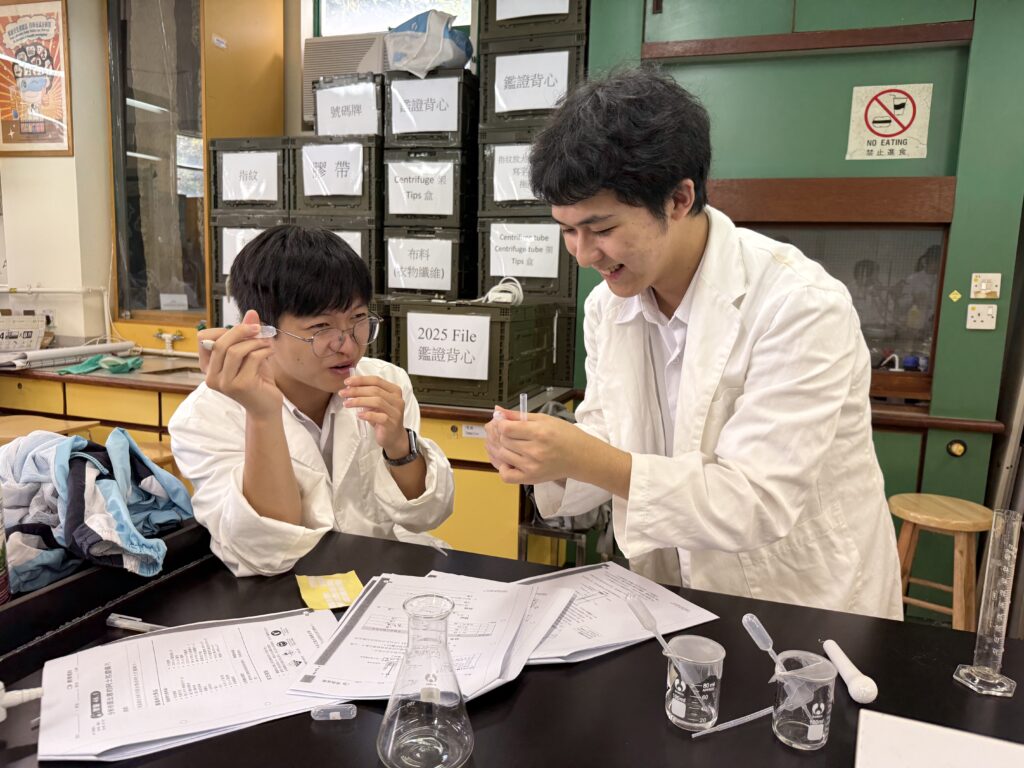
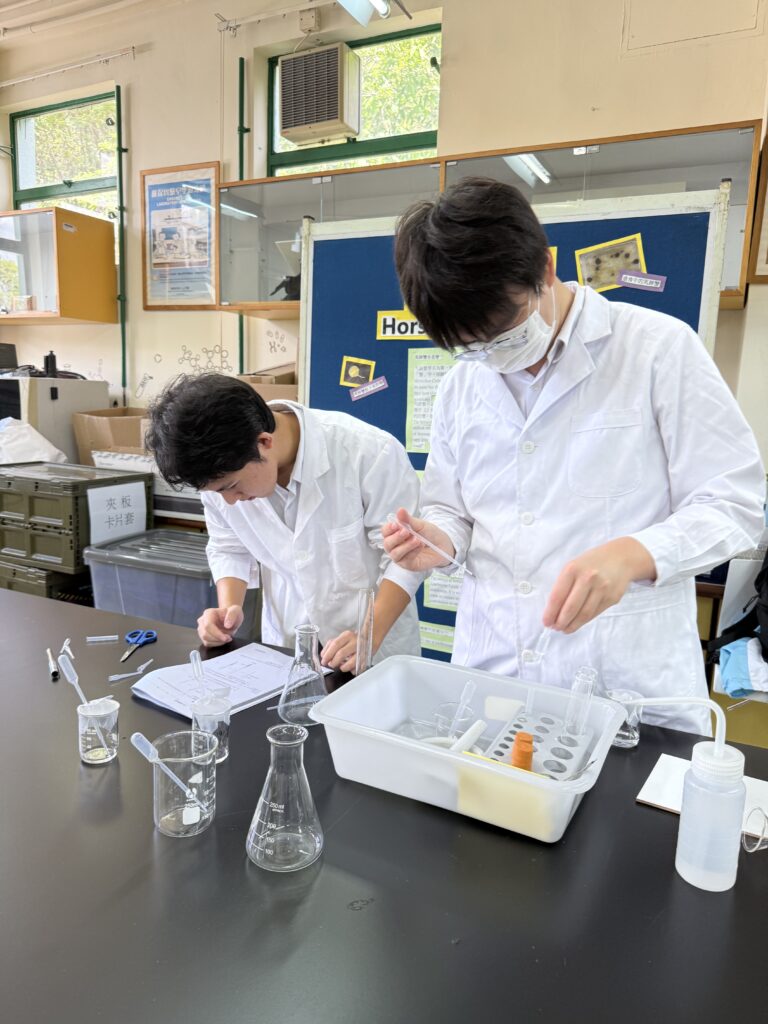
The school’s laboratory classes often use the campus environment as a source of material. For example, when the mango tree on campus bears fruit, students will pick the mangoes to make chemical batteries, learning about “the chemistry of fruits.”
Higher Education Institution Visits
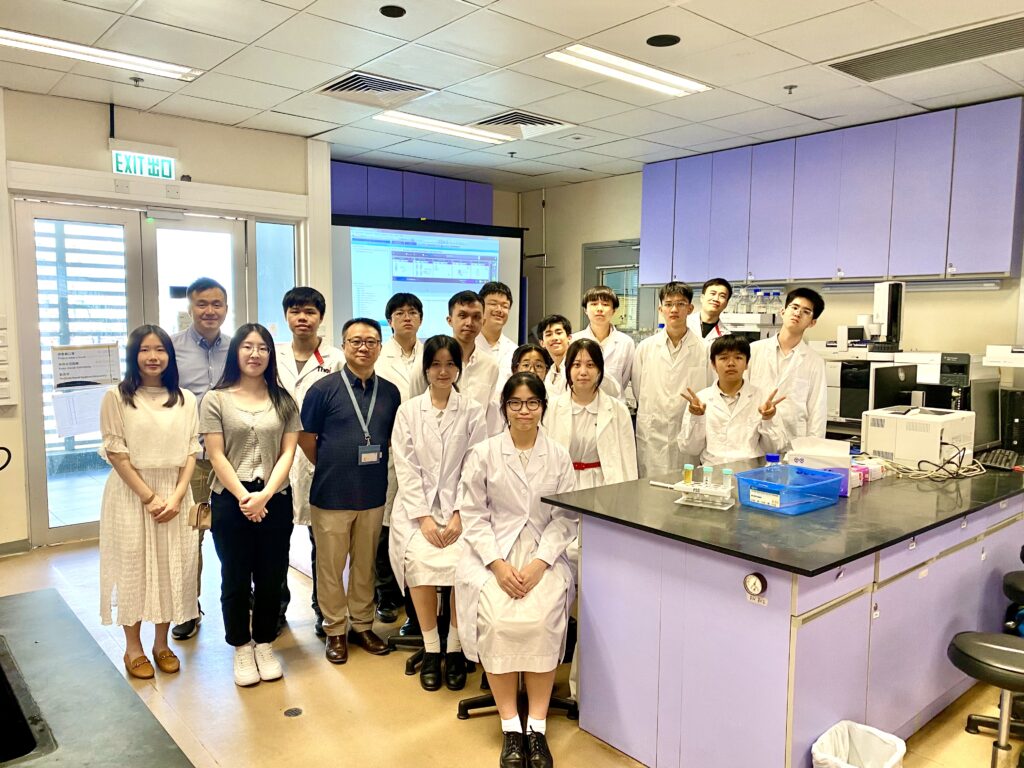
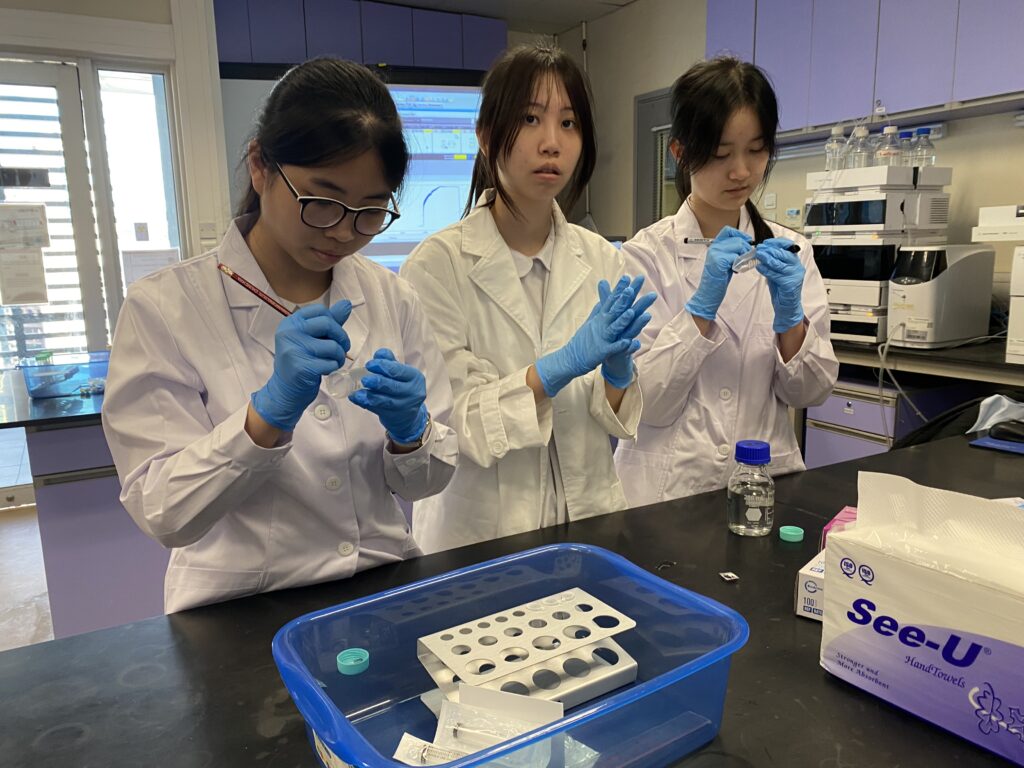
Every year, our school arranges for chemistry students to visit relevant departments and laboratories at higher education institutions. This allows students to understand university course content and future pathways, helping them prepare for career planning.
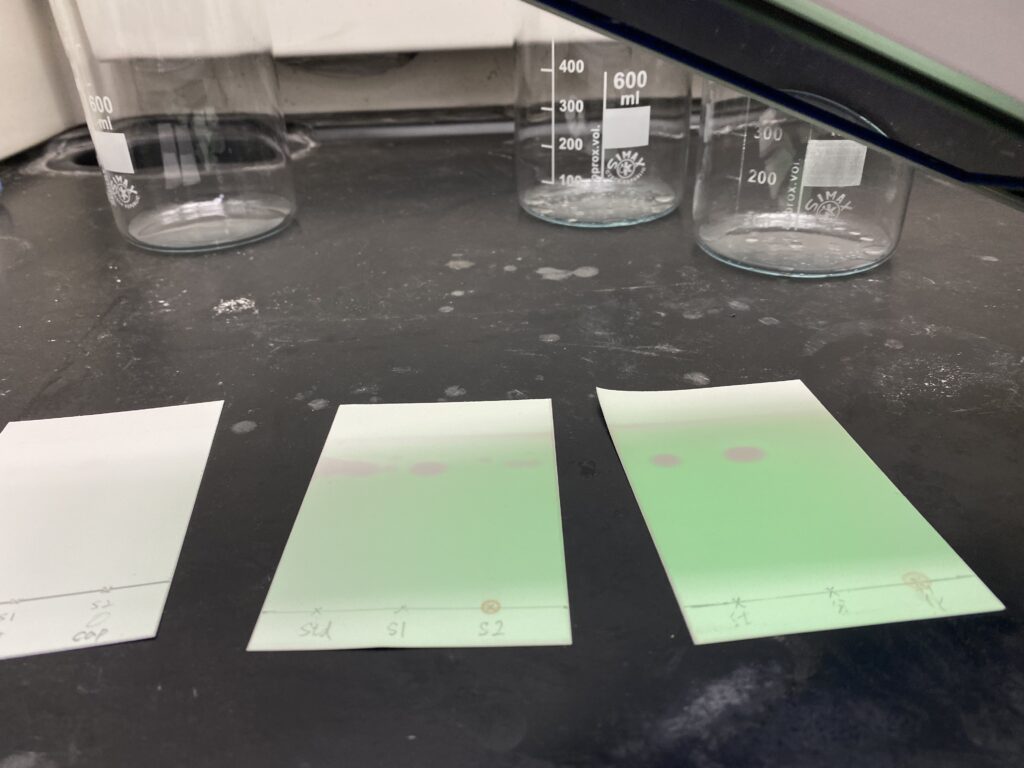
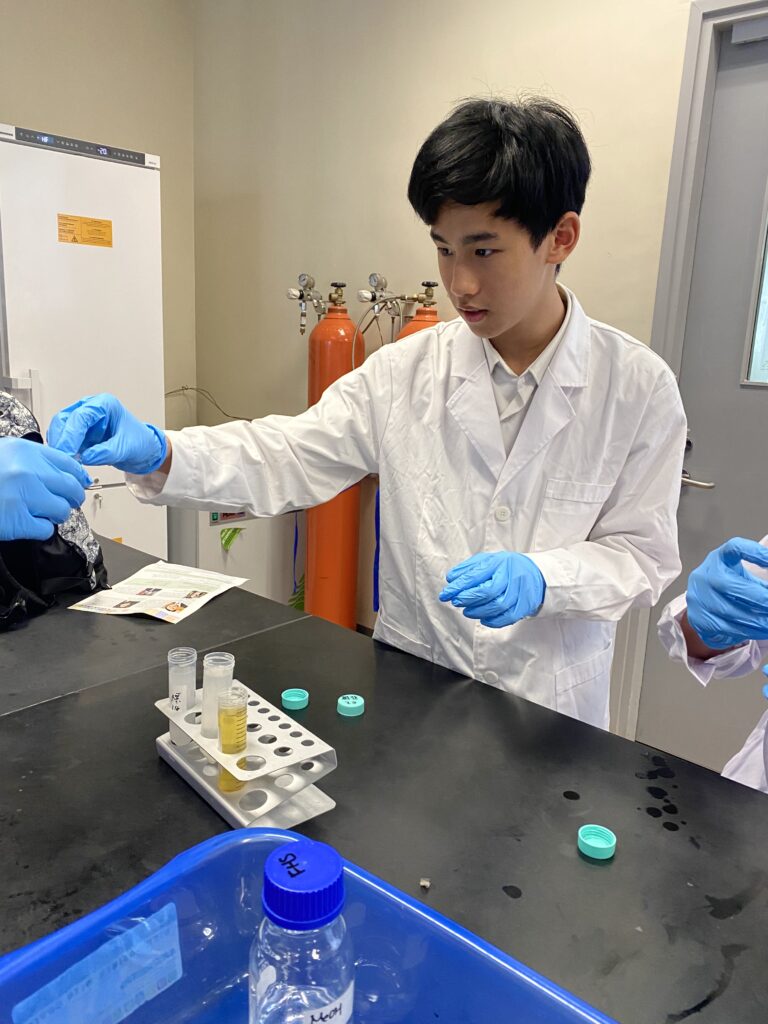
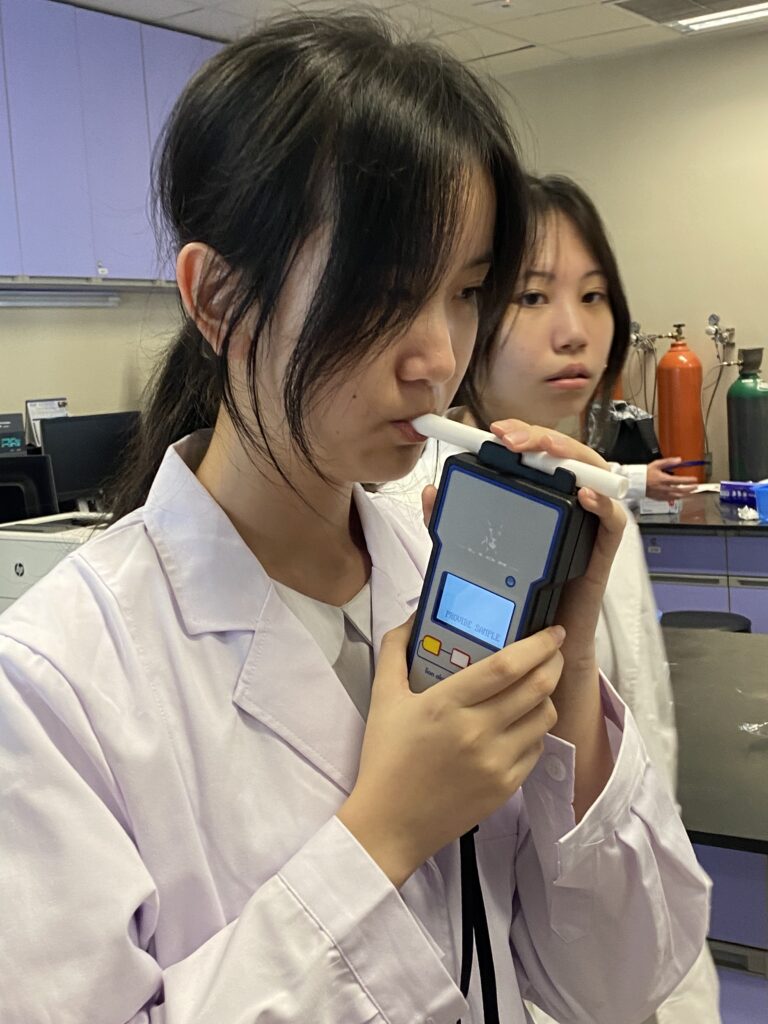
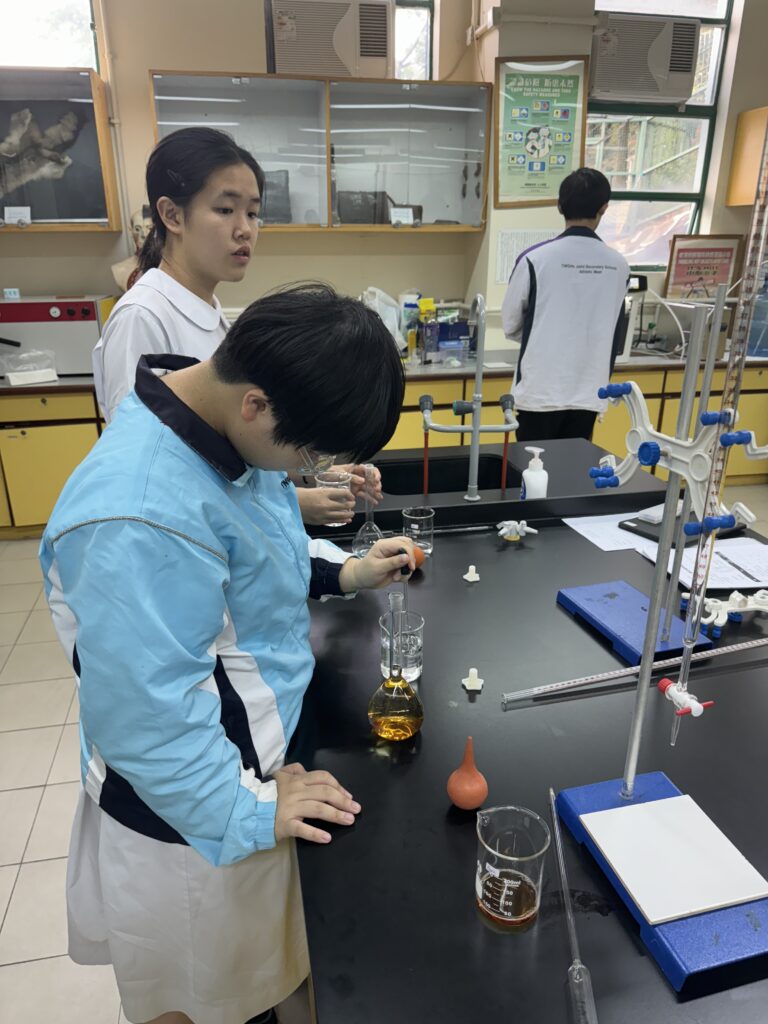
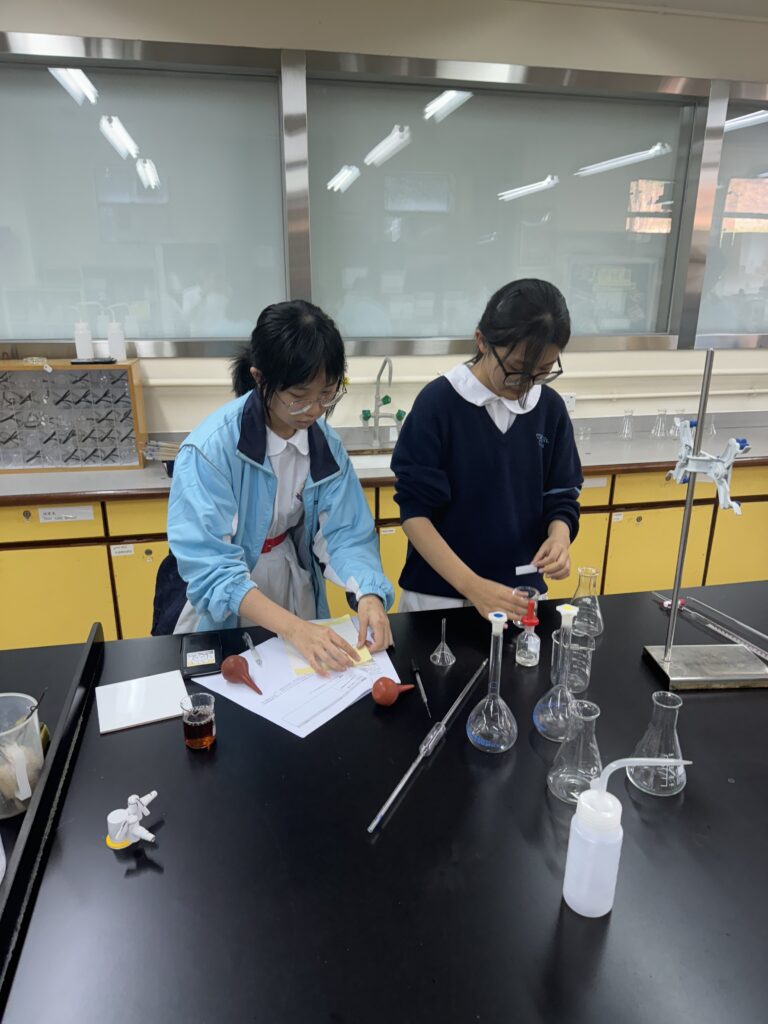
Analytical Chemistry Challenge for Secondary Students
The competition integrates daily-life chemical problems with laboratory experimentation, enhancing student engagement in chemistry. Participants demonstrate improved laboratory techniques, scientific inquiry capabilities, and understanding of analytical chemistry applications in everyday contexts.
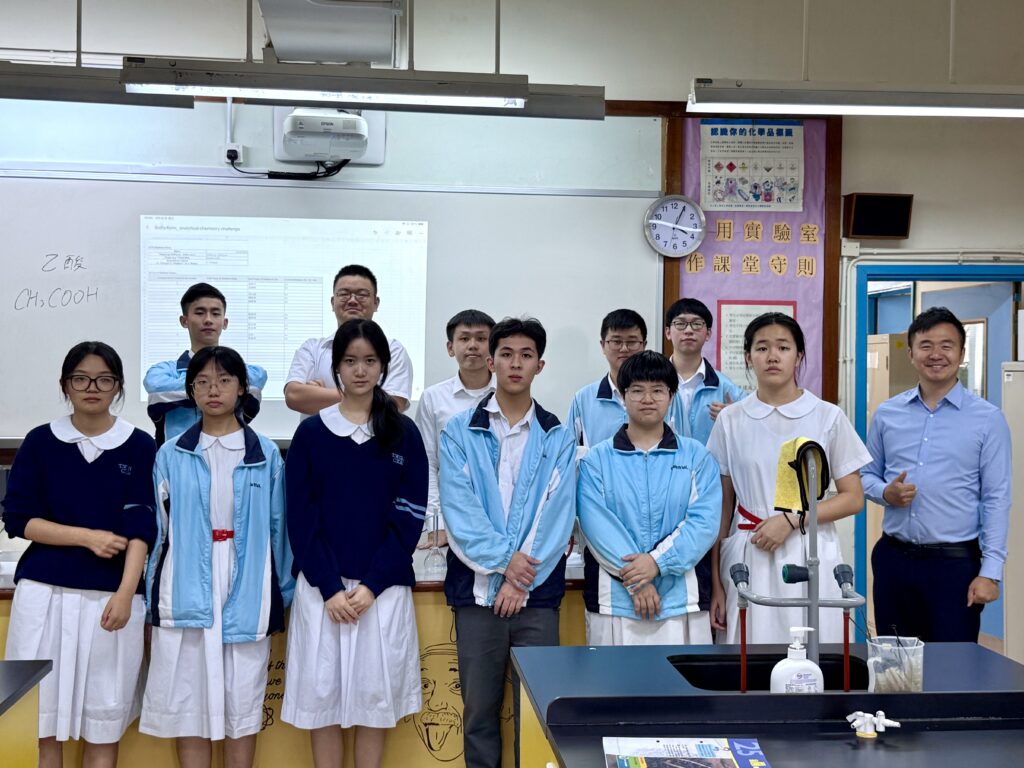
Chemists Online Self-study Award Scheme
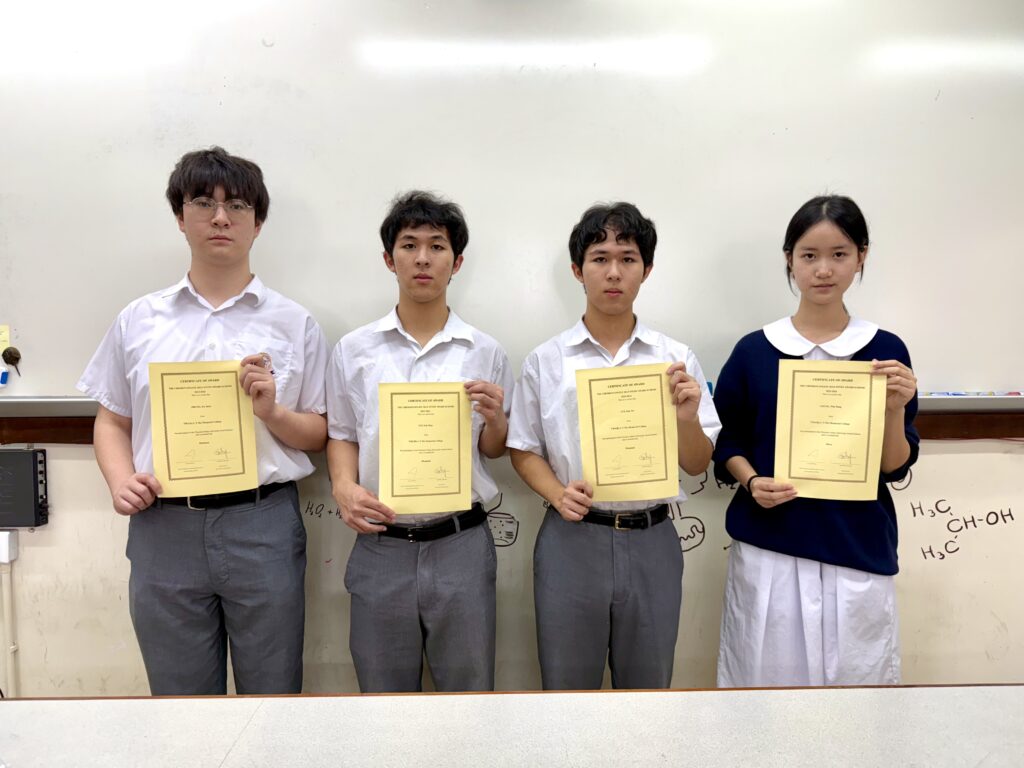
Several of our student teachers have won diamond, platinum, and silver awards in the “Chemists Online” competition co-organized by the Education Bureau (Science Education Section) and Hong Kong Virtual University.
JPC Innovation and Technology Competition 2024-25 Carnival
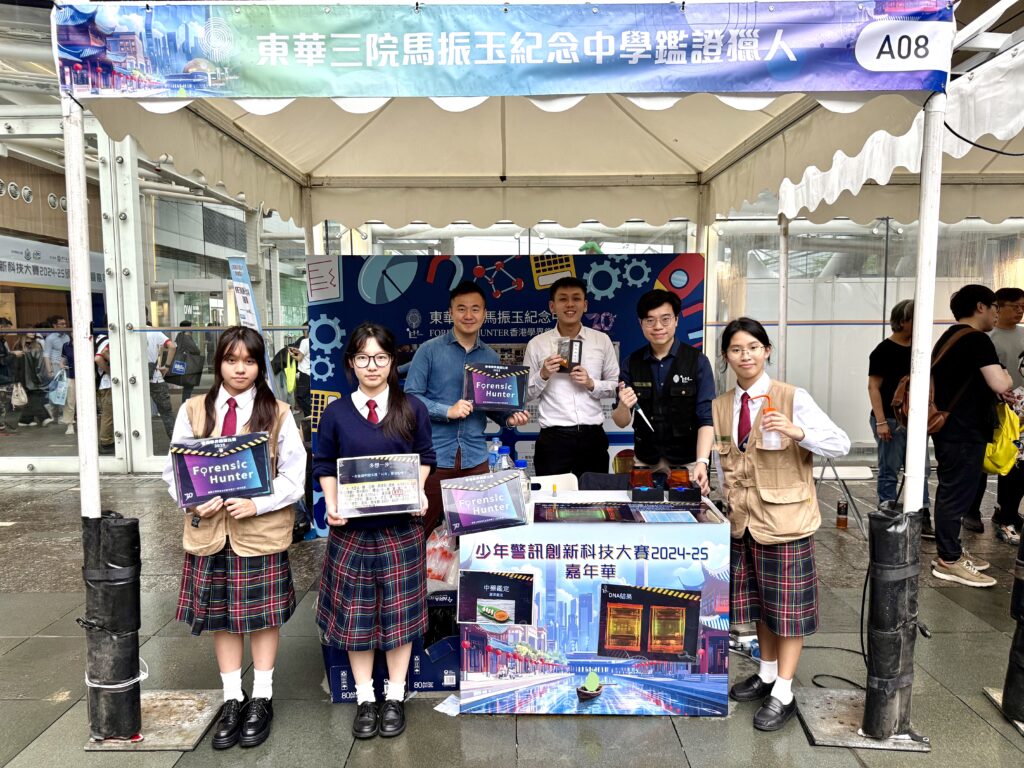
Our Forensic Helpers were invited to establish an exhibition booth, demonstrating forensic science principles and conducting fingerprint and drug identification experiments for Hong Kong students.
Aims and Objectives
- develop interest and maintain a sense of wonder and curiosity about chemistry;
- construct and apply knowledge of chemistry, and appreciate the relationship between chemistry and other disciplines;
- appreciate and understand the evolutionary nature of science;
- develop skills for making scientific inquiries;
- develop the ability to think scientifically, critically and creatively, and solve problems individually and collaboratively in chemistry-related contexts;
- discuss science-related issues using the language of chemistry;
- make informed decisions and judgements on chemistry-related issues;
- develop open-mindedness, objectivity and pro-activeness;
- show appropriate awareness of working safely;
- understand and evaluate the social, ethical, economic, environmental and technological implications of chemistry, and develop an attitude of responsible citizenship.
Teachers
Panel Head: Mr. LAM Ka-jin
Member: Mr. Tsang Chi Yuen